Recently, I discussed the strategy of using earthy colors to help awaken those great feelings of the spring thaw—those subtle tones that begin to appear when the landscape slowly wakes up after winter. I’d like to continue that conversation by focusing on one color that appears everywhere in nature during the spiring, seasonal transition: green.
It’s a question I hear often from homeowners and designers: Is green a calming color? Some colors come with a reputation, and softer greens, gray greens, dusty greens, whatever you call them, those relatives within the green family; the answer, quite simply, is yes! But the reason has as much to do with nature as it does with design.
When we think of green in interiors, the most soothing shades tend to come from the natural world. Picture the colors of lichen, sage, and soft botanical greens that appear in forests and gardens. These colors are gentle and deeply connected to the environments where humans have always felt most at ease. As a color expert, I know that these earth green tones connect with our subconscious, making us feel at one with the natural world around us and bringing about a soothing calm.
If you’ve ever walked through a wooded trail or sat quietly in a garden, you’ve probably experienced the calming effect of green without even realizing it. One reason designers often answer “yes” to the question “Is green a calming color? ” is that it sits in the middle of the visible color spectrum. That balanced position makes it naturally easy for our eyes to process. But the emotional connection goes even deeper.
Greens are strongly associated with growth and renewal, as well as the natural environment. It reminds us of places where we breathe easier, like parks, forests, fields, and gardens. Because of this association, soft greens tend to create interiors that feel peaceful, restorative, and soothing.
Some of the most beautiful, calming greens don’t come from bright leaves or tropical plants. Instead, they come from the quiet textures of the forest floor. Moss and lichen greens are slightly muted, often mixed with hints of gray or earth tones. These are the kinds of greens that feel sophisticated and grounding in a home.
When used on walls, these colors provide a calm backdrop that allows other elements in a room to shine without competing for attention. They are subtle but deeply atmospheric—perfect for creating rooms that feel balanced and restful.
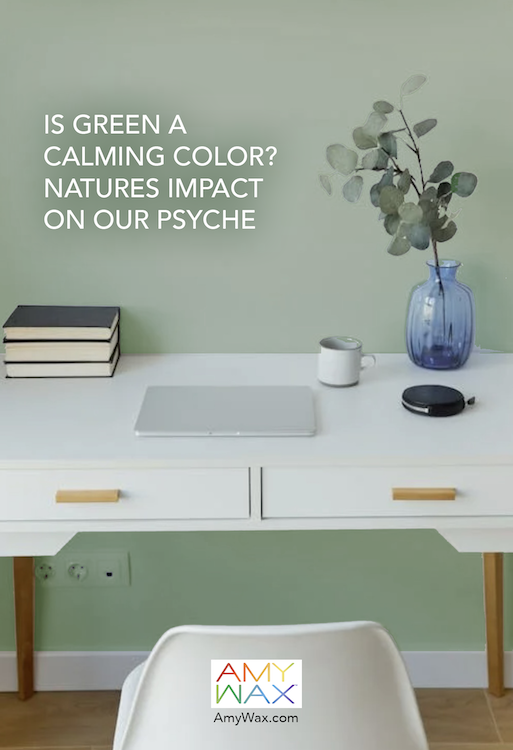
If you are bringing this softer, subtle color into your home, there are a few things to keep in mind to help it look its best. Because this color is so soft, it is best to pair it with contrasting whites or creams, or maybe a darker green accent wall, to help it stand out, even if it’s just a bit. Another way to help it look its best is to pair it with complementary colors; softer pinks or purples look so sweet against this understated color choice.
One of my favorite places to use soft greens is in workspaces or home offices. When people ask, “Is green a calming color?” the answer becomes obvious when used in workspaces. Imagine a soft green wall behind a white desk, with natural wood accents and simple decor. The room immediately feels lighter and more peaceful. The color supports focus rather than distracting from it.
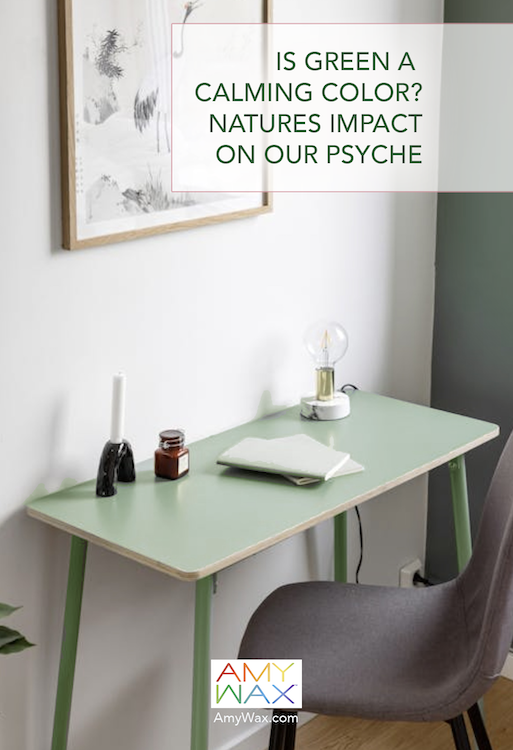
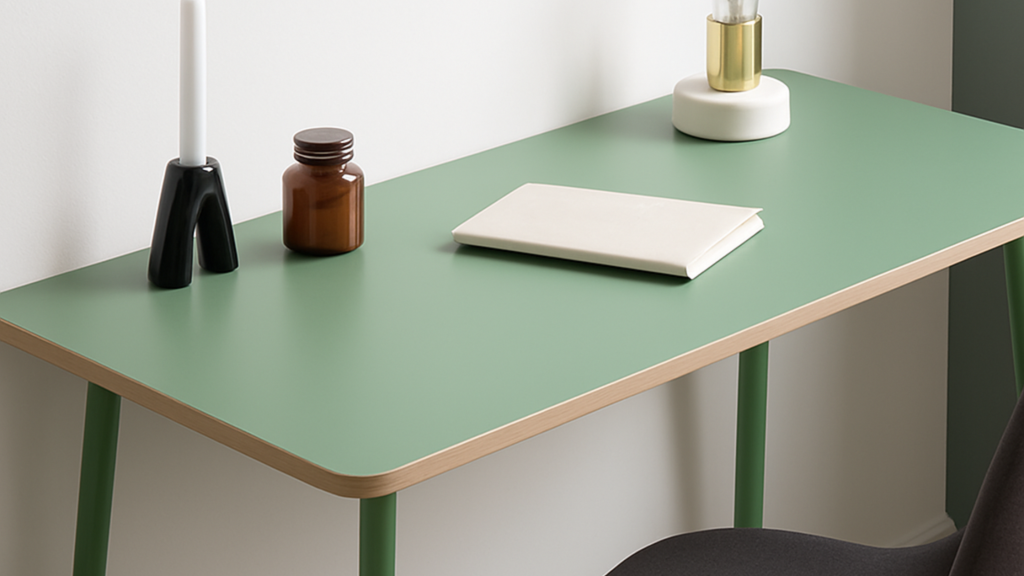
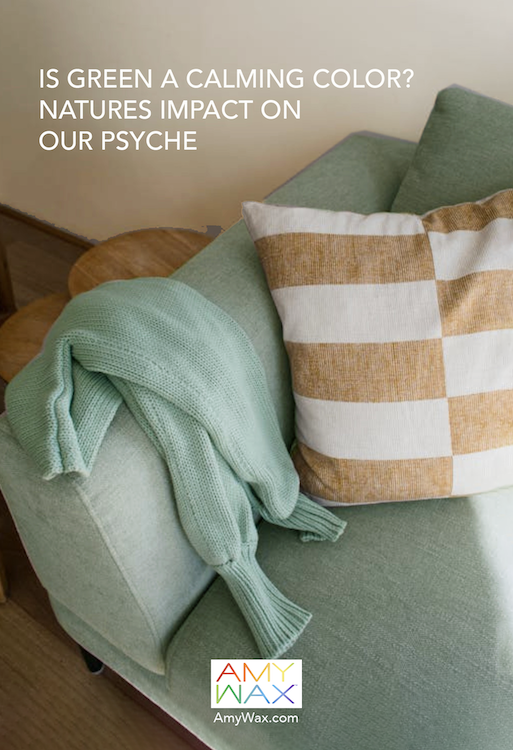
Of course, you don’t always have to paint walls to introduce calming greens into a home. Furniture and textiles can do the work just as effectively. A softer gray/green colored chair paired with a soft knit throw creates an inviting reading corner. Sage-toned upholstery can soften a living room filled with neutral fabrics. Even a small green desk or accent table can add freshness without overwhelming the room. These gentle greens tend to pair beautifully with warm neutrals, natural woods, and soft textiles, creating interiors that feel grounded and comfortable.
Biophilic design—the idea that humans naturally feel better when surrounded by elements that connect us to nature. Green is one of the most powerful colors within this philosophy because it reflects the landscapes where humans (including myself) have historically felt safest and most comfortable.
In interiors, even small references to these natural greens can create that connection. A soft moss-colored wall, a sage throw blanket, or a simple plant placed in the right corner can help a room feel inspired by the beauty of nature, feeling calmer and more balanced. These colors work quietly, reducing stress while bringing the restorative feeling of nature indoors!
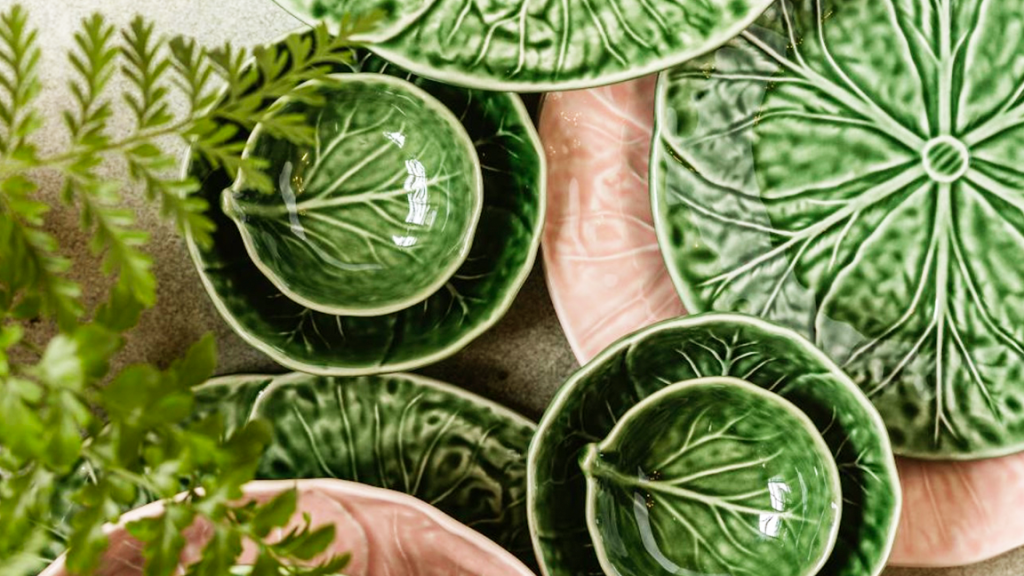
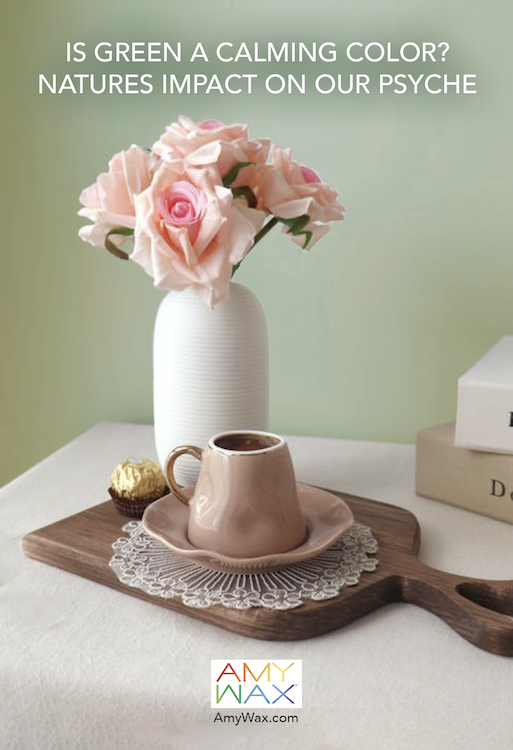
Sometimes the easiest way to introduce calming greens is through simple decorative accents. A vase filled with early spring flowers, a soft green blanket draped over a chair, or a ceramic piece in a muted sage tone can subtly shift the atmosphere of a space. These accents echo the natural world and remind us of the quiet beauty found outdoors, something many people crave as winter transitions into spring, I know I do!
After decades as a color consultant, working with color in homes, my answer remains the same: yes, green is one of the most calming colors we can bring into our interiors. Especially when the shades come directly from nature. Green has the remarkable ability to ground a room while still feeling fresh and alive. One of the few colors that has timeless qualities, that I can’t imagine ever going out of style! It connects our homes to the rhythms of the natural world, reminding us of growth, renewal, and quiet moments.
And as spring slowly unfolds outside, as you’ll see in my last post, there is so much to be inspired by, and there may be no better time to bring a little more of that peaceful green indoors!