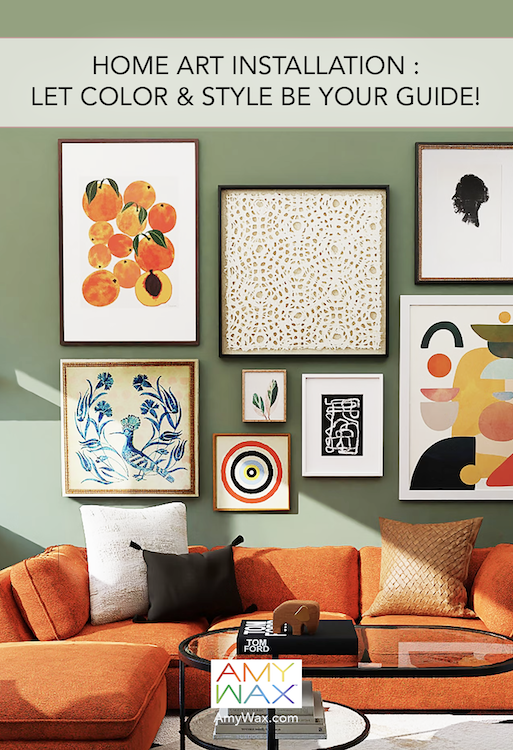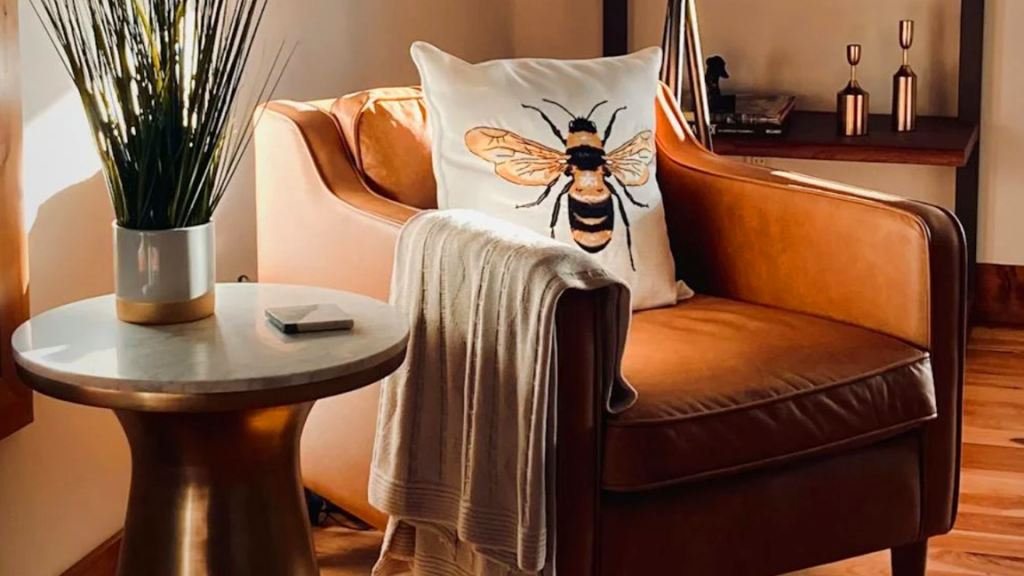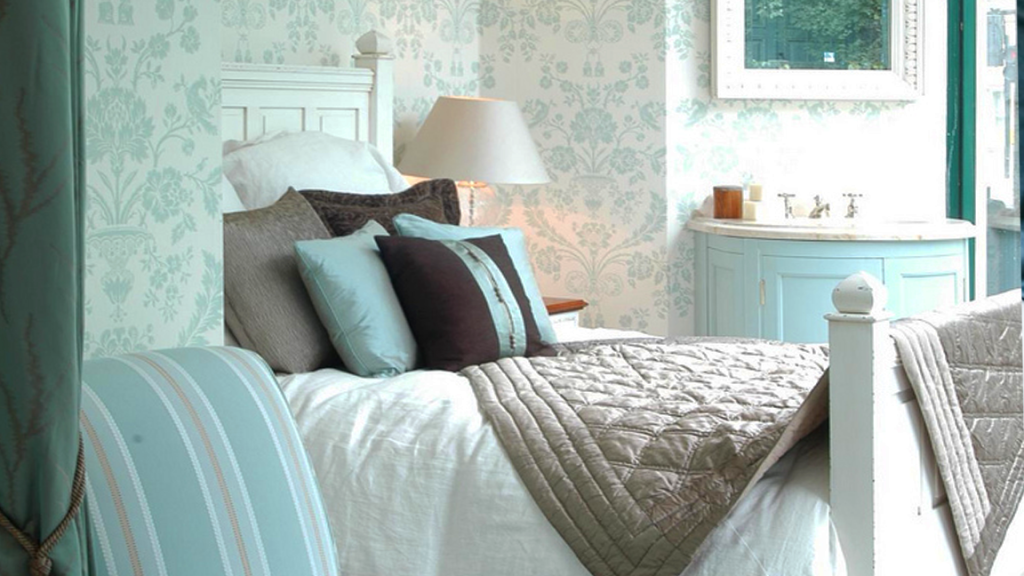

Quite often, the holidays leave us with meaningful new artwork and gifts from loved ones. But once the celebrations settle, that artwork usually leans against a wall, quietly waiting for its moment. Sometimes that moment happens early in the new year, or, sadly, never comes at all; the piece gets stuck in storage-room purgatory!
If you received any new pieces of decor/art over the holidays, it’s worth slowing down just enough to think through placement, tone, and intention. Hanging art well isn’t about finding the “perfect” spot; it’s about bringing out the best in the piece of artwork!
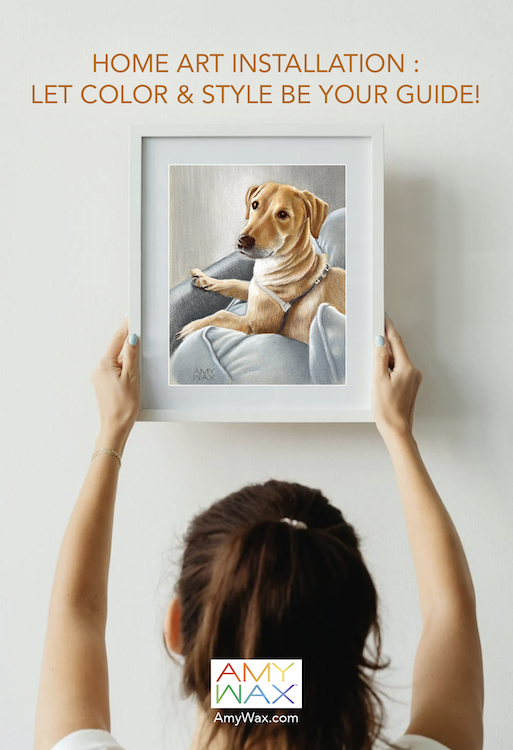
Every piece of artwork carries its own energy. Some are bold, graphic, or emotionally expressive, filled with contrast and movement. These “louder” pieces tend to thrive in spaces where a little drama is welcome and appreciated. Think of areas like living rooms, dining rooms, entryways, or even stairwells where they can be appreciated from a distance. They naturally become focal points and often anchor a room visually. If an area feels overly neutral and needs a pop of life, listen to your instincts and find ways to make art provide some spark!
Softer artwork, like muted landscapes or gentle portraits, brings a quieter presence. These pieces feel especially at ease in bedrooms, home offices, hallways, or reading nooks, where calm and reflection matter more than visual impact. Matching the artwork’s mood to the feeling you want in the room helps the piece feel intentional rather than randomly placed.
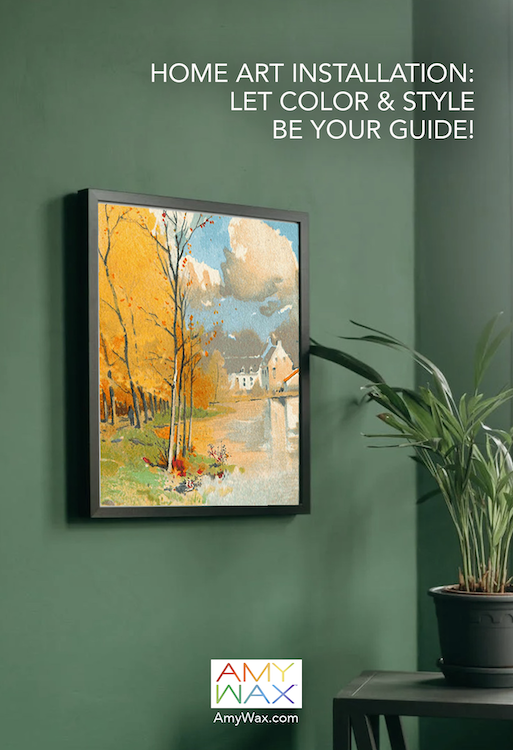
Artwork doesn’t exist in isolation; it interacts constantly with the wall color and furniture that surround it. It’s contrasted against neighboring textiles and light. With that in mind, know that high-contrast art with more animated colors often benefits from either complementary colors or calmer wall colors, giving it space to stand out. In contrast, subtle artwork may need either a slightly deeper/saturated wall color or thoughtful framing to avoid fading into the background.
Get your color specialist hat on and think about whether the artwork echoes the colors already in the room or introduces something new. Repeating colors can create harmony, while contrast adds visual interest; neither approach is wrong! The key is knowing which feeling you’re after.
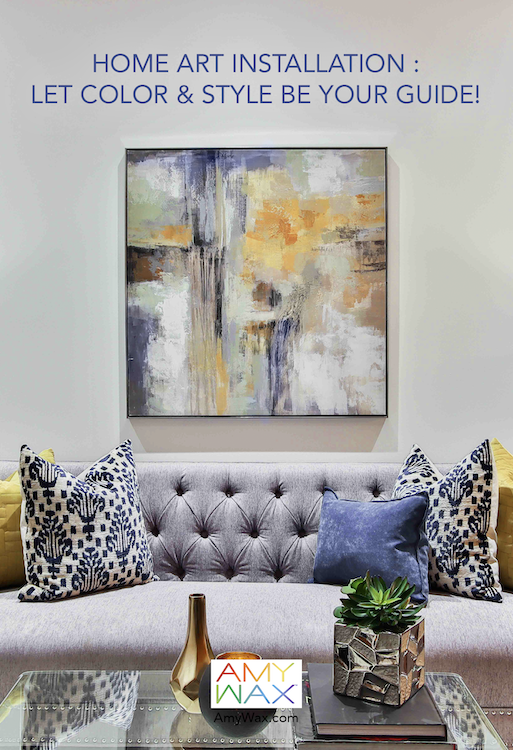
One of the most common mistakes is hanging artwork too high. A reliable guideline is to place the center of the piece at eye level, roughly (don’t follow this as doctrine!) 57–60 inches from the floor. When hanging art above furniture, it should feel visually connected and close enough to relate, but not so low that it feels cramped. I like to leave a little space between the furniture and the artwork so they don’t compete with each other.
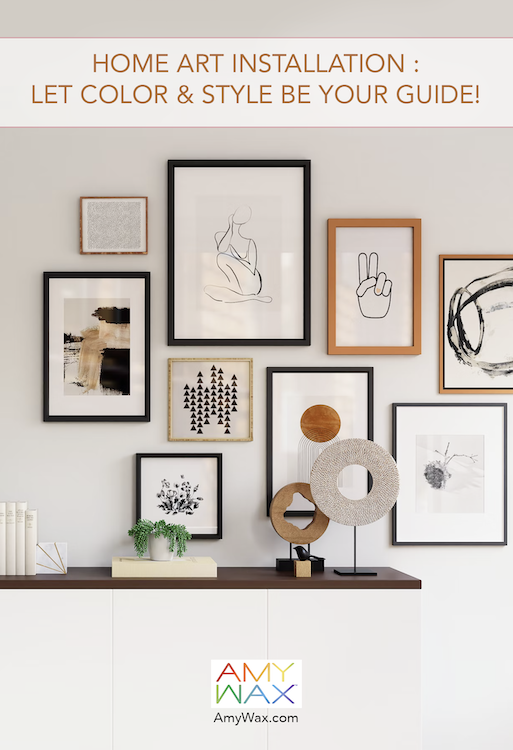
If you’re creating a gallery wall or grouping several pieces, take time to plan before making holes and measuring the distance between pieces accurately. Laying the arrangement out on the floor or using paper templates on the wall can help you see spacing and balance more clearly. Think of the grouping as one cohesive composition rather than individual pieces competing for attention. I’ll give credit where credit is due: Lowe’s has a pretty concise 3+ minute video on the basics, which I’ll link here.
You don’t need professional equipment, but having the right basics makes the process smoother. A tape measure and level are essential. Painter’s tape helps mark placement without committing to it. Use proper picture hooks and anchors rated for the artwork’s weight, especially for larger or heavier pieces. These small steps protect both your walls and your art and save you lots of frustration later on!
If you have a large home, a growing collection, or multiple pieces that need to work together, it may be worth consulting an interior designer with years of installation experience. Sometimes the challenge isn’t hanging a single piece; it’s understanding how artwork flows from room to room, how scale changes across walls, and how everything relates to your home’s color palette and architecture.
Of course, sometimes, it’s just beyond someone’s physical capabilities to do the work! Don’t put yourself or your home in harm’s way if you don’t feel steady-handed or able to perform the installations. There’s no shame in getting help with both the design strategy and or installation!
Art installation is one of the most personal parts of making a house feel like your home. Take your time. Let each piece guide you. There’s no deadline, and there’s no single “right” or “perfect” way to do it, so don’t let fear of making a mistake immobilize you. Adding artwork to your walls can be an exciting and creative process. Don’t be afraid to jump right in!