Over the past few years, our homes have been asked to do more than ever before. Kitchens became offices. Dining rooms became classrooms. Even bedrooms became conference rooms! And while that shift may have felt temporary at first, many families are realizing that flexible, hardworking workspaces are here to stay. The good news? Functional home office design does not have to mean uninspired.
Having well-thought-out spaces available to you means you can host Zoom calls at home without it interfering with your family or your home’s style. Here are some great ideas for making that happen!
With thoughtful planning, home workspaces can feel integrated, beautiful, and even calming—supporting productivity without sacrificing your home’s overall aesthetic. Best of all, you can make workspaces work in spaces that may seem unconventional at first, but might be better than you imagined!
One of the most natural places to set up a workspace is the dining room. A round table or pedestal table, like the ones many families already gather around, can easily transition into a shared work surface during the day.
When styled with intention, it never feels like an office takeover! As a color specialist, I’ve designed many residential and commercial office palettes, and those fundamentals also translate to the unconventional home offices we all have today.
Soft wall colors, warm wood flooring, and sculptural chairs keep the room grounded in hospitality rather than productivity. A simple centerpiece, such as dried florals or woven placemats, helps the space reset quickly for meals once laptops are tucked away. Storage is key here. Concealed cabinetry or nearby closets allow you to store paperwork and devices so that the room can return to its original purpose when your work tools and paperwork are tucked away.
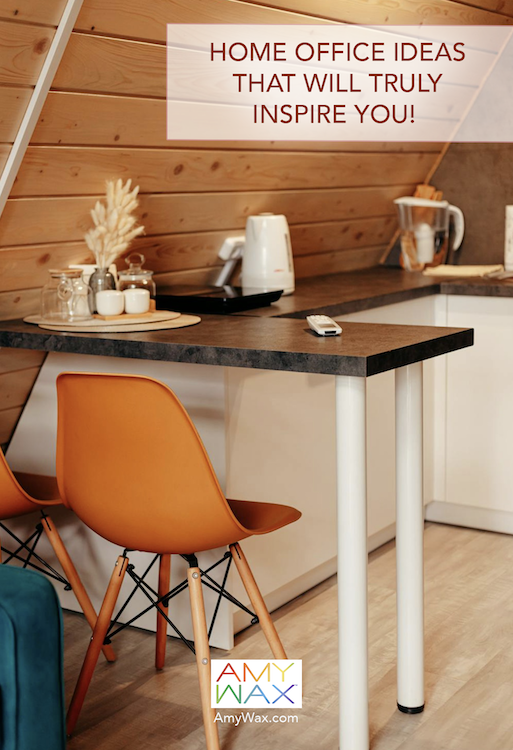
As remote/hybrid work continues, couples and families often need shared work zones. Designing seating for two requires balance, physical and visual. Almost like creating a bathroom space with two sinks and a double-wide vanity!
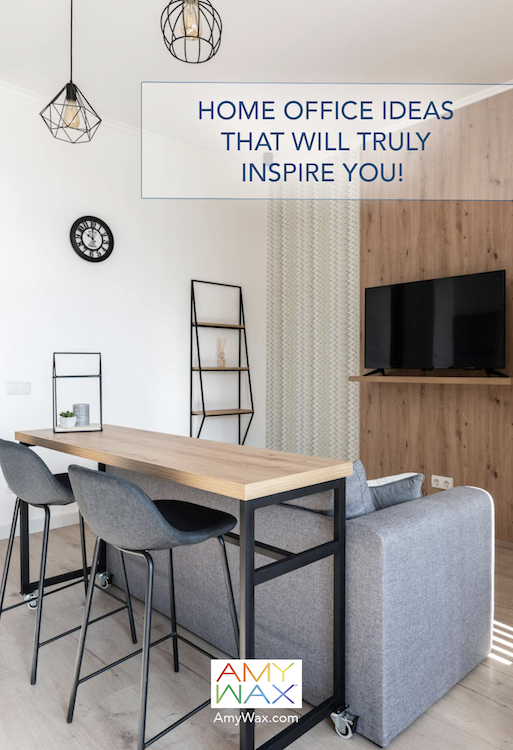
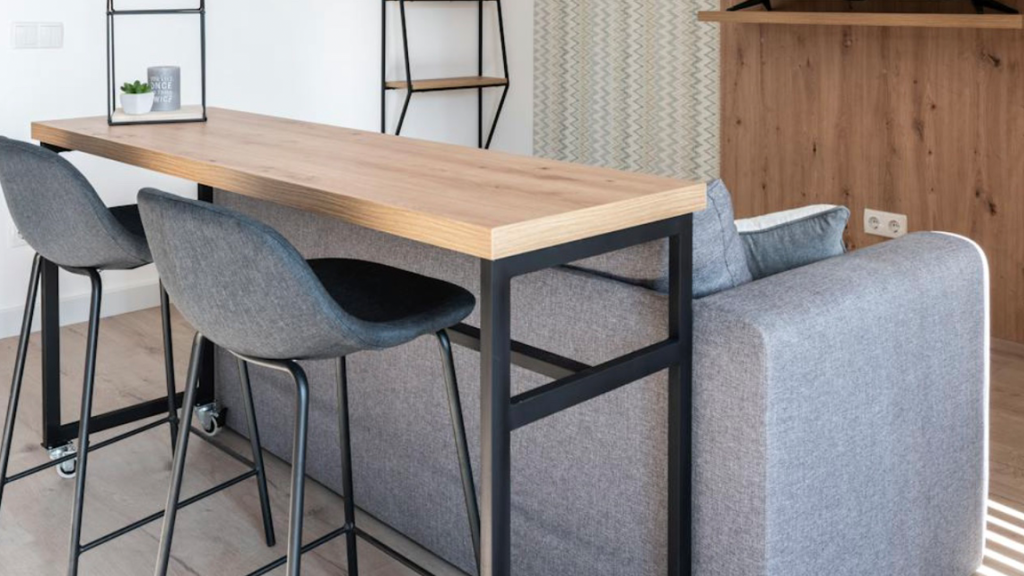
A long, narrow table placed behind a sofa or along a wall can create a collaborative workspace without feeling bulky. Upholstered seating keeps things comfortable, while open shelving provides space for decorative decor (space-age retro radio, anyone?) or baskets that soften the “office” feel by adding textures. Personalize the space (e.g., with artwork you love) so the workspace still reflects your style, not just a place to work/grind.
Lighting also plays an important role; overhead fixtures paired with task lighting prevent the area from feeling too stark while still helping to maintain focus. The goal is harmony – a space that supports productivity without introducing stress!
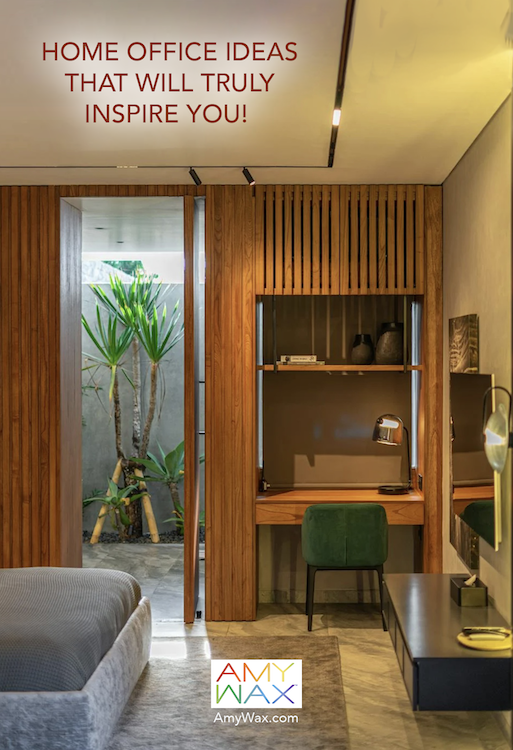
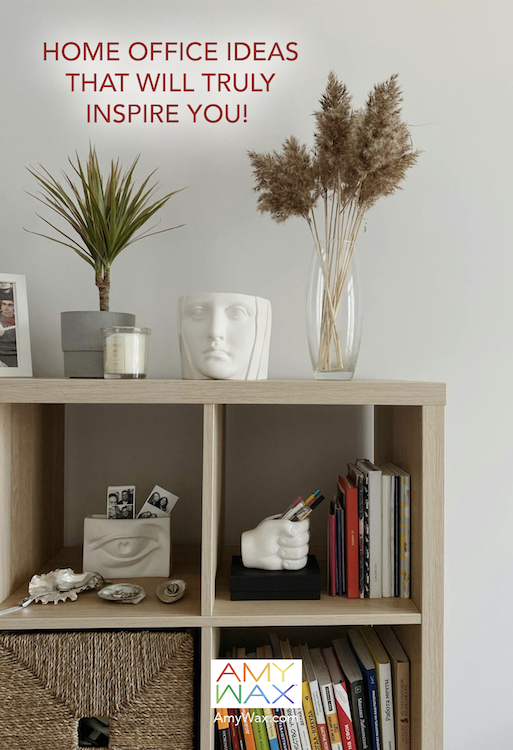
Shelving can transform a workspace from purely functional to supportive. Instead of rows of binders, consider styling shelves with a mix of books, framed art, and beloved trinkets. When workspaces are located in living areas or bedrooms, visual blending is essential. Decorative shelving ensures that even when work is present, it doesn’t dominate the room’s personality. It’s about visual balance, allowing productivity and comfort to coexist!
Not every home has a dedicated office, but even a bedroom can house a beautifully integrated workspace. A recessed desk framed in warm wood millwork can feel more like built-in furniture than an office insertion. Add a comfortable chair, a small task lamp, and layered lighting, and suddenly the workspace feels intentional, inviting, and even serene.
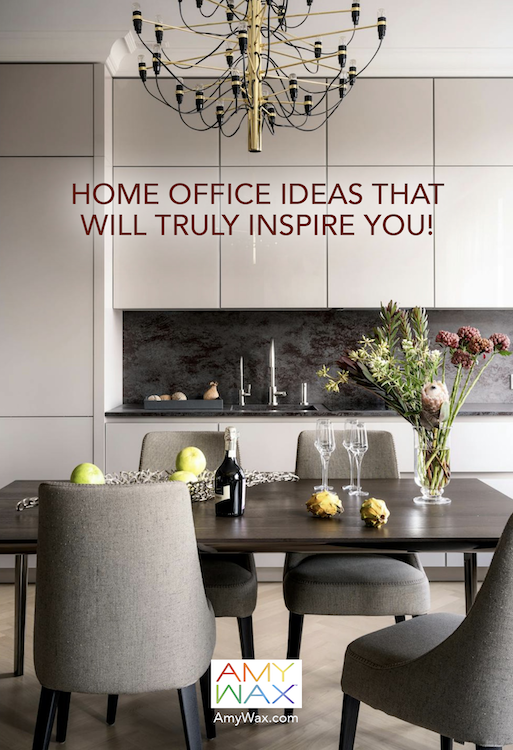
For those looking to escape the kitchen table entirely, adding a compact eating counter or work bar on an upper floor or transitional space can provide a much-needed work retreat. These shallow counters are great, I just love them. Sometimes tucked beneath sloped ceilings or along hallway walls, they create a sense of retreat. They’re ideal for quick laptop sessions or quiet morning coffee before the household wakes up! These magical hideaway places also help you avoid working in or near the kitchen, where you are likely to snack all day.
Hardworking workspaces succeed when they reflect how families/people actually live. They support school projects and Zoom calls. They hold planners, laptops, and coffee mugs. But they also maintain the home’s emotional tone; warm, welcoming, and personal.
With unconventional home offices, the goal is to create spaces that adapt to you beautifully and comfortably. When design works hard behind the scenes, your home maintains the beauty and personal style that makes it feel like home!